Advice
Donating Your Body to Medical Science: What Does It Actually Involve?
A straightforward guide to body donation, making your wishes known and what happens afterwards
Donating your body to medical science is something many people have heard of, but relatively few understand in practical terms. Donated bodies make an enormously valuable contribution to medical education, surgical training and research. However, telling your family that this is what you want is not enough: consent must be completed during your lifetime, acceptance cannot be guaranteed and it is important to leave alternative funeral wishes.
What does donating your body to medical science mean?
Body donation, sometimes called body bequeathal, means giving your body after death to an approved medical school. The formal term you may encounter is donation for anatomical examination.
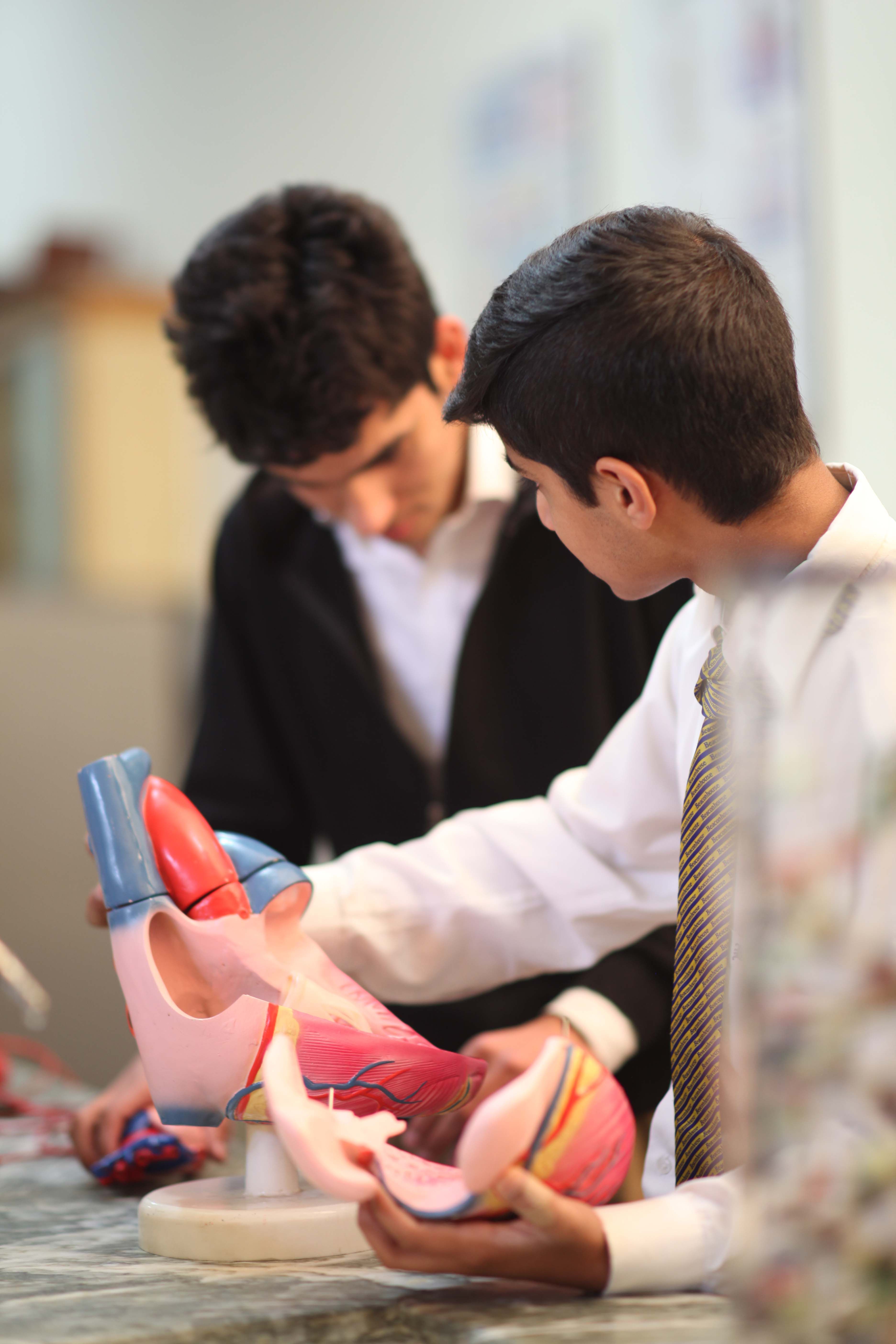
Despite advances in computer modelling and medical technology, studying human anatomy remains an important part of training doctors and other healthcare professionals. Donated bodies may also support surgical training and research. Brighton and Sussex Medical School, for example, uses donors in medical and allied healthcare education and specialist surgical training.
This is different from organ donation for transplantation. You can express an interest in both, but organ removal may prevent a medical school accepting your body. What is possible depends upon the circumstances when you die.
You need to arrange it during your lifetime
Your family cannot decide after your death that your body should be donated to medical science.
Under the Human Tissue Act 2004, written and witnessed consent must be given before death. Power of attorney does not allow another person to provide this consent for you.
Contact the medical school or anatomy office covering your postcode and complete its consent form. Keep a copy with your will or important papers, and make sure your family, executor and doctor know what you have arranged. Our guide to recording your funeral wishes explains how to leave other helpful preferences alongside it.
Who do you contact in East Sussex and West Kent?
Body donations from BN, TN, RH, ME and CT postcodes are currently coordinated through the London Anatomy Office. It works on behalf of teaching institutions including Brighton and Sussex Medical School.
You can contact the office during your lifetime for information and consent forms. If you live elsewhere, the Human Tissue Authority provides a postcode search for the medical school covering your area. The HTA regulates and inspects licensed organisations, but it does not receive bodies, register donors or decide whether a donation will be accepted.
Does agreeing to donate guarantee acceptance?
No. Registering your wishes is an offer to donate; the decision can only be made after death.
Medical circumstances may make a donation unsuitable, and a post-mortem examination is an important reason why it may be declined. Capacity, transport times and closures during major holiday periods can also affect acceptance.
It is therefore sensible to leave a Plan B. You might say:
“I would like my body donated to medical science if it can be accepted. If it cannot, I would like to be cremated.”
This is not prescribed legal wording, but it gives your family clear guidance. The funeral choices available if a donation is declined are outlined in our funeral services guide.
What happens when you die?
Your family, executor or the professionals caring for you should tell the relevant donation office as soon as possible.
If you die in hospital, the London Anatomy Office currently advises that your body should remain in the hospital mortuary while it decides whether the donation can proceed. If death occurs at home, in a nursing home or somewhere without cold storage, the family should arrange urgent transfer to a funeral director with refrigerated facilities. The estate is responsible for that funeral director’s transport and care costs before acceptance.
If the donation is accepted, the London Anatomy Office arranges transfer to the receiving medical school. If it is declined, your family proceeds with normal funeral arrangements. Wealden Funeral Services can provide appropriate care while the decision is being made, but it does not decide whether a body is accepted.
Can the family still have a funeral?
If a body is accepted, a conventional funeral with the coffin present would not normally take place beforehand. Your family can still hold a memorial, thanksgiving service or gathering at a time that suits them.
Some programmes also hold services to recognise donors. The London Anatomy Office currently arranges an annual Service of Thanksgiving for the families and friends of people who donated during the previous year.
How long will the medical school keep the body?
The period depends on the consent you give and the medical school’s needs. Current London Anatomy Office arrangements allow donors to consent to retention for a maximum of three years or indefinitely. A donor used for a specialist course may be released sooner, so the office cannot give an exact timescale in advance.
The consent process also includes choices concerning whether parts may be retained. Read the programme’s information carefully and discuss the options with your family before signing.
What happens afterwards?
When the medical school has finished, the remains are dealt with according to the donor’s consent and the programme’s arrangements.
Under the current London scheme, the family can arrange a funeral at its own expense or ask the London Anatomy Office to arrange cremation. If the office arranges it, the family can choose to be told the date, attend a short committal service and take possession of the ashes. Other programmes may work differently, so check the terms supplied when registering.
Talk about it before making the decision
Donating your body can make an important contribution to medical education, training and research, but the practical and emotional effect on your family also matters.
Talk to them about why you want to donate. Tell them where the paperwork is kept and what you would like to happen if the donation cannot proceed. You may also wish to consider the memorial or funeral choices that would help them say goodbye.
Like most funeral wishes, the best arrangements are rarely those containing the most instructions. They are the ones where everybody understands what matters.